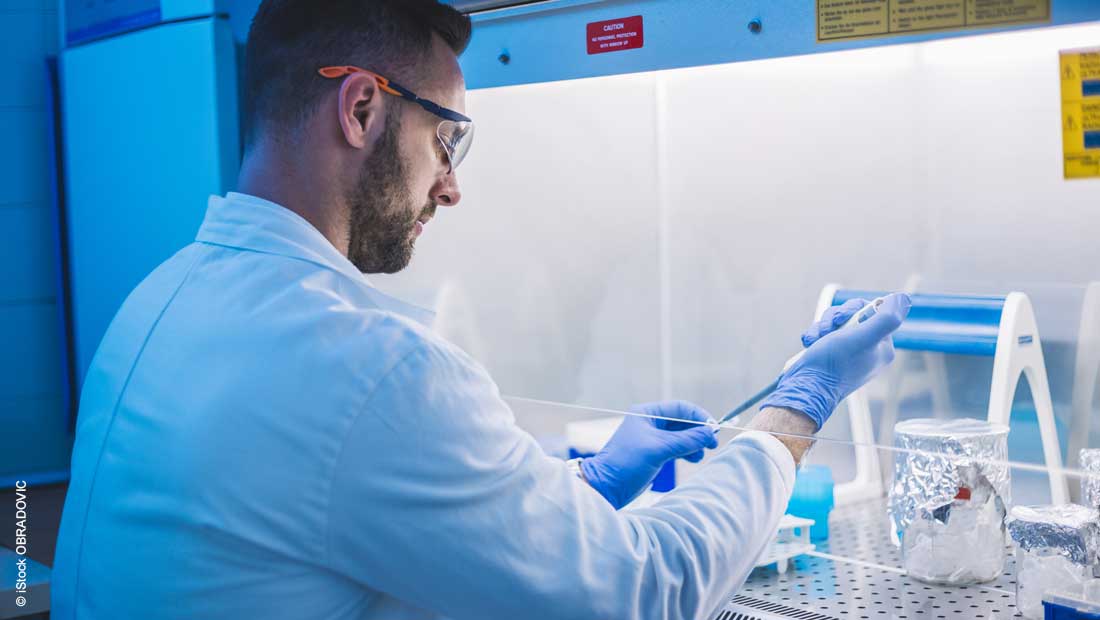



















Alternatives to toluene and xylene are becoming increasingly important in the paints and coatings industry. This development is driven by stricter regulatory requirements, changing market demands, and higher standards for environmental protection and occupational health and safety. The following article examines the background to this trend and highlights suitable alternatives for different applications within the paints and coatings industry.
Solvents - important raw materials for paints and coatings
Solvents are a key raw material in the → paint and coatings industry's products - more than half of all solvents are used in this industry. However, as in many other sectors of the economy, manufacturers must rely on new technologies and formulations due to changes in regulations and laws, and reassessments of substances and products.
Market requirements with regard to → sustainability, occupational safety and environmental protection play an increasingly important role. For the paints and coatings sector, solvents of suitable quality must above all
- be free from harmful aromatic compounds such as benzene
- have a consistent purity and
- do not contain unsaturated compounds.
Toluene and xylenes – in which applications are they used?
Solvents of different chemical origins are important basic materials, for example for
- wall paints,
- plasters,
- facade paints,
- plastic lacquers and coatings,
- surfaces for medical products,
- protective,
- insulating or conductive lacquers.
→ Toluene and → xylenes belong to the group of aromatic hydrocarbons and have often been used in paints and coatings due to their high solvency power. Nowadays, the use of these molecules is declining as they are seen as increasingly problematic in terms of environmental compatibility and health.
Figures & Facts: Market and Regulatory FrameworkA look at current market data and regulatory requirements shows why aromatic solvents such as toluene and xylene remain relevant despite growing criticism – while suppliers are simultaneously facing increasing pressure to act. Market size of aromatic solvents Aromatic solvents such as toluene and xylene are important raw materials in the chemical industry as well as in the production of paints and coatings. The global toluene market is expected to grow to around USD 43 billion by 2033, with an average annual growth rate of approximately 5–6% – despite regulatory restrictions related to VOC emissions. The xylene market is also large and growing. It was valued at around USD 35.5 billion in 2024 and could increase to more than USD 60 billion by 2032, driven in part by industrial demand, including paints and coating systems. VOC regulation in the EU In the European Union, the EU VOC Directive (Directive 2004/42/EC) limits the content of volatile organic compounds in paints and varnishes. Its aim is to reduce air pollution and promote the use of low-emission or low-aromatic solvents. In Germany, the implementation of EU requirements is supplemented by the Ordinance on Solvent-Containing Paints and Varnishes (ChemVOCFarbV). This regulation sets binding maximum limits for VOC content in finished products and governs their placing on the market. |
What are the disadvantages of toluene and xylene?
Toluene and xylene are volatile organic compounds (VOCs) that can cause air pollution and have harmful effects on the atmosphere when they evaporate. In addition, toluene and xylene are known to cause health risks in humans such as headaches, dizziness and, in the longer term, even damage to the liver and kidneys.
Health concerns and the desire to offer more environmentally friendly products have led to a decline in the use of these solvents. Manufacturers and consumers are therefore increasingly looking for safe and environmentally friendly alternatives to toluene and xylene.
Stay informed with our Blog!Subscribe to our blog and benefit from regular information on sustainable hydrocarbons, research & development and supply chain management:
|

Why are alternatives to toluene and xylene also strategically relevant today?The search for alternatives to toluene and xylene has evolved from a purely chemical consideration into a strategic assessment encompassing regulation, market requirements and application performance.
Against this backdrop, alternatives to toluene and xylene are gaining significance – not as a one-size-fits-all replacement, but as application-specific solutions that combine regulatory compliance, performance and sustainability considerations. |
What are the alternatives to toluene and xylene?
Manufacturers are searching for an adequate substitute in terms of chemical and physical properties, quality and availability. The requirements of the end products are the main driver. For example, a high dissolving power is not necessary for every application. Suppliers with a customer-orientated consulting and service will cater for your needs.
If you are looking for alternatives to toluene and xylene, the following molecules are available depending on the application:
→ Cyclohexane, Methylcyclohexane
They are also called naphthenes or naphthenic solvents and are obtained by hydrogenation of benzene and toluene. The dissolving power is significantly lower, but sufficiently good for saturated compounds - this can be adjusted by changing the formulation.
→ n-Heptane, → n-Octane
These paraffins are indispensable for many special applications, such as plastics that would swell or dissolve when xylene or naphthene-based paints are used for coatings. The positive compatibility with plastics strengthens the case to switch to → n-heptane and → n-octane.
→ iso-Octane
This paraffin is often used as an aromatic-free substitute in thinners for paints and coatings or as a medium for cleaning brushes and tools. When used in a paint, the steady evaporation ensures an even result.
Pure paraffins for precisely controllable reactions
Acrylic paints such as traditional wall paints are based on a dispersion of plastic polymers in water. The base of the paint must have both water-friendly and water-repellent properties in order to be able to incorporate all components of the formulation. To achieve this, the polymer is first prepared in a water/iso-octane emulsion of acrylic esters. The paraffin is removed and then the polymer is further built up with water-soluble components. This gives both desired properties in one molecule.
Bio-based or renewable raw materials are also an important key technology for more sustainable paints and coatings. Forward-thinking suppliers also conduct research in this field and continue to develop their products in the area of sustainability.
Find out more:
- Haltermann Carless' solvents for the paints, coatings and adhesives industry
- Haltermann Carless and Neste extend NEXSAT™-license agreement
- Ecobase - a fossil-free portfolio based on 100% renewable feedstock that makes a significant contribution to CO2 reduction
Conclusion: Paraffinic and naphthenic solvents are ideal alternatives to toluene and xylene.
Despite their effectiveness, the solvents toluene and xylene have considerable disadvantages, particularly with regard to environmental and health compatibility. In the search for a substitute for toluene and xylenes, suppliers of high-purity paraffins can be a good choice. The following product qualities are important:
- Free of harmful aromatics
- No unsaturated compounds
- High purity of 95 % and 99 %
- Consistent quality
Pay attention to your new supplier's performance in terms of availability and reliability, as well as further → service. Actively enquire about the following:
- Production warranty
- Certifications
- Quality Control
- Delivery Promise
- Flexibility with regard to individual needs
- Assistance with regulatory approvals
FAQ – Frequently Asked Questions on alternatives to toluene and xyleneWhat factors are driving the use of alternative solvents? Can solvent alternatives offer the same solvency power as toluene or xylene? Are aromatic-free solvents inherently more environmentally friendly? What role do VOC regulations play in solvent selection? Which applications are alternatives to toluene and xylene particularly suitable for? Haltermann Carless – a leading expert in high-quality hydrocarbon solutions – supports customers with a broad solvent portfolio and application-specific advice when selecting suitable alternatives. Feel free to contact us. |
This blog has initially been published in September 2020 and updated in July 2024 and January 2026.
Haltermann Carless – a leading expert in high-quality hydrocarbon solutions – supports customers with a broad solvent portfolio and application-specific advice when selecting suitable alternatives. Feel free to contact us.