










Haltermann Carless History
2025
Haltermann Carless divests production site in Texas
As part of the internal RACE transformation programme, Haltermann Carless exited the low-margin and localised Oxo commodities business and closed its Manvel, Texas, site in December 2025. The US market remains a key growth market for the company.
2024
HCS Group goes Haltermann Carless
In November 2024, HCS Group GmbH has changed its corporate name to Haltermann Carless Group GmbH. With this step, we want to bring all our activities and communications under the strong Haltermann Carless brand and remain true to our claim “Pioneers in hydrocarbons" – a tradition that goes back to 1859. The legal entities in the countries remain unaffected.
2023
Acquisition of HCS Group
HCS Group – including the brands Haltermann Carless, ETS Racing Fuels and Electrical Oil Services (EOS) – has been successfully acquired by the International Chemical Investors Group (ICIG), a privately owned industrial group. Within ICIG, HCS Group will form the basis for a new strategic business platform.
2022
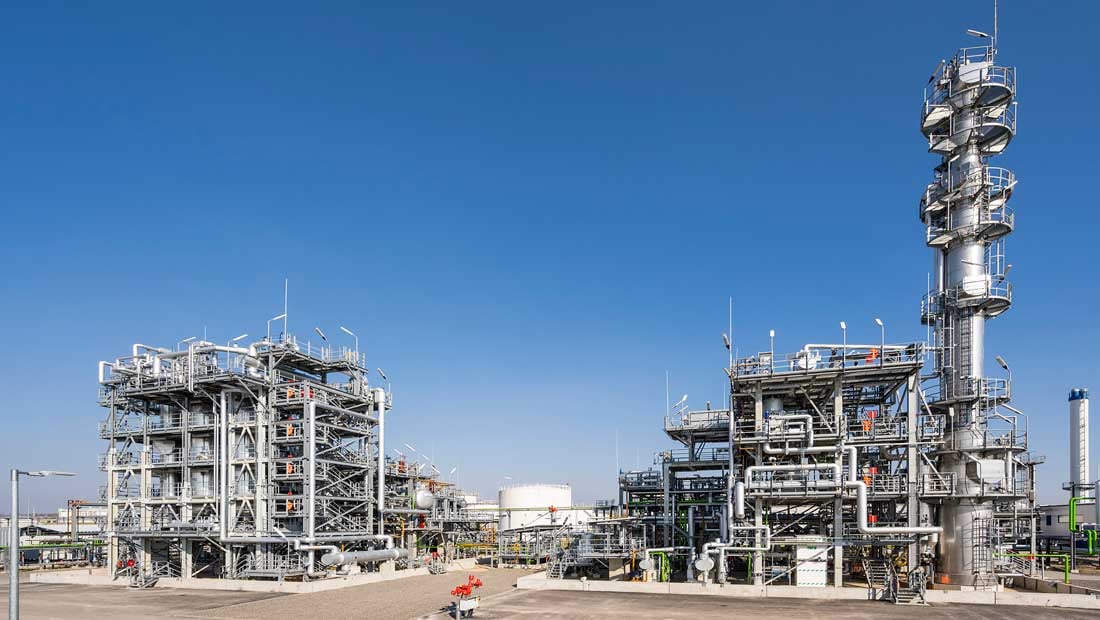
The new hydrogenation plant at the German Speyer site has been in operation since the beginning of 2022. Haltermann Carless' largest investment since becoming part of the HCS Group will enable the development of sustainable products, more efficient production techniques, and further growth in key business areas.
Haltermann Carless receives ISCC EU certification for the Harwich, UK, production site, which enables the company to provide certified renewable fuels to the automotive and motorsport industry.
The two production sites in Germany - Hamburg and Speyer - receive ISCC PLUS certification allowing to supply a wide range of bio-based and mass-balanced products.
2021
Establishment of Sustainability team
How can we grow and expand sustainably in the future? This question has been addressed by a team of specialists at Haltermann Carless since October 2021. The Corporate Development & Sustainability business service unit works closely with all functions of the company and identifies topics that add value to the sustainability strategy.
2019
In January 2019 Haltermann Carless opens a new US head office in Troy, Michigan (Greater Detroit area). The expansion strengthens the company's position to better serve local customers in automotive, industrial, pharmaceutical an agricultural sector.
In February 2019 HCS Group signs a long-term purchase agreement with Gevo Inc., Colorado, USA, on renewable isooctane. The product will be sold under the Haltermann Carless brand and supplied into high-end applications ranging from high purity solvents to specialty fuels.
Haltermann Carless has been awarded Gold status by EcoVadis under the umbrella of HCS Group and belongs to the Top 5% companies assessed by EcoVadis Corporate Social Responsibility (CSR).
Haltermann Carless celebrates 160th anniversary (1859 - 2019).
2017
In September 2017, Haltermann Carless Japan G.K. located in Yokohama is established in order to strengthen the performance fuels business in one of the most important automotive markets.
In May 2017 Haltermann Carless sold its HC Fluids business to Solventis Ltd., a distributor of petrochemical solvents and an existing producer of Automotive fluids.
2015
In July 2015 Haltermann Carless acquires Shu-Chem Holdings Inc., a manufacturer of selected alcohols and esters supplying the pharmaceutical and printing industries in Manvel, a city nearby Houston, Texas, USA. With this acquisition, the company is growing its market presence in North-America and continuing its systematic international expansion.
Demand for Pentanes and tailor-made Pentane formulations continued to rise due to the move away from materials that contain CFCs or HFCs; Haltermann becomes the only European manufacturer that provide the three Pentane isomers (n-Pentane, iso-Pentane and Cyclopentane) in a refinery.
2014
Haltermann in collaboration with Clariant’s sunliquid and Mercedes-Benz cars successfully road tested a 2nd generation biofuel.
Strong growth was developed in the field of environmentally friendly propellants (pentanes) in America; A new chemicals and logistics park with a wide range of services was commissioned in Hamburg-Wilhelmsburg.
50th anniversary of Harwich refinery; The increase in production volume from an initial 14,000 tons to over 150,000 tons illustrated the strong growth of the refinery.
2013
First year together as Haltermann Carless
On 15th April Haltermann Holding GmbH took over the total shares of the British competitor Petrochem Carless Holdings Limited (PCL), both companies continued to operate under the umbrella of the newly founded HCS Group as independent brands.
Haltermann
Acquired by Haltermann Holding GmbH on 15 April, both companies operated as independent brands under the umbrella of the newly founded HCS Group.
1999
Carless
Analytical laboratories became equipped with the latest computer technology for quality assurance and product development; Modern logistics facilities ensured the highest service to provide different hydrocarbons and solvents, as well as customer-specific product adjustments.
1998
Haltermann
The Haltermann family exited from ownership and sold to the British investment company Ascot plc.
1996
Carless
Changing raw material qualities due to the development of new gas fields required the optimisation of continuous distillation processes for processing of condensates with a higher proportion of light hydrocarbons.
1995
Haltermann
The portfolio of products which was produced from renewable raw materials was expanded (eg ester oils)
Carless
A new plant for mixing special fuels for the production of reference, calibration and racing fuels was constructed.
1993
Haltermann
Research activities in the technical centre at Wilhelmsburg focused on new separation processes using membrane technology, special extraction and adsorption processes, as well reactive methods such as esterification, hydrolysis, hydrogenation, isomerisation or alkylation
1991
Haltermann
On 1st January Haltermann became the holding company for all German and foreign subsidiaries.
A further distillation unit with a broad range of fractions (30 ° C to 350 ° C) went into operation; Processing of different raw materials (condensates, gas oils, dewaxed vacuum gas oil) became possible.
1989
Carless
Carless was taken over by the Spanish oil company Repsol YPF, S.A. and became as ‘Carless Refining and Marketing’ a wholly owned subsidiary of Repsol.
1987
Haltermann
A new method of production using the esterification reaction is used for the first time in Houston, and later in Antwerp, for the processes of separation, distillation, extraction and crystallisation.
Carless
The market situation became difficult despite falling oil prices; Harwich refinery began working at full capacity; Flexible process distillation units allowed the optimal use of raw materials to be delivered, which significantly reduced storage costs.
1985
Carless
To grow as a corporation, Carless acquired a number of companies and entered into oil production; The company developed relationships among the market leaders BP, Britoil, Petrofina, Shell and Esso.
1983
Haltermann
The product range was enhanced by the addition of high-viscosity naphthenic oils for use in the manufacture of printing inks and synthetic resins.
Carless
Carless boasted three batch distillation plants and a continuous production 3-column distillation plant, which could flexibly process a variety of raw material qualities and quantities; Carless concluded an agreement with Johann Haltermann GmbH for the joint marketing of their products in America.
1982
Haltermann
The plant for tar distillation in Wilhelmsburg was decommissed; White spirit production was installed at Speyer.
Carless
A contract to build an aromatics extraction unit was made. This was used for extracting aromatic hydrocarbons such as benzene, methyl or ethyl benzene, which would be used for fuels, high molecular weight aromatic solvents and other new products.
1981
Haltermann
The fourth production facility in Houston/USA was inaugurated.
Carless
The latest measurement and control technology (computer and microprocessor technology) for controlling the equipment was installed in a central control room.
1974
Haltermann
A process for liquid / liquid extraction was developed for the production aromatic-free solvents and printing ink oils and a large-scale production plant was constructed
Haltermann manufactured non-toxic and odourless paraffinic solvents; Haltermann became a manufacturer of reference fuels (ERFs) in Europe
1973
Carless
The subsidiaries Carless Solvents and Carless Petroleum which marketed its finished products were founded; Carless took a stake in the oil / gas fields in Humbly Grove and Wytch Farm.
1972
Carless
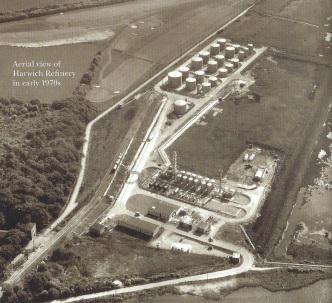
A contract was made for a third distillation unit with separate steam generation; A fourth distillation unit was constructed from parts of the dismantled Hackney Wick plant.
1971
Haltermann
Haltermann separated from the asphalt business areas, shipping companies as well as the service stations in northern Germany, in order to concentrate on its core business; A third production site in Antwerp was opened which continued to grow despite oil crisis.
Carless
Carless, Capel and Leonard became a corporation.
1969
Haltermann
Haltermann was certified by ASTM as the sole producer of high purity n-heptane and iso-octanes (reference fuels for determining the octane number); The pilot plant in Wilhelmsburg was commissioned, with modern computer simulated distillation processes.
1968
Haltermann
Cooperation with resin manufacturers brought about breakthroughs in the area of printing ink oils.
Carless
The boom of natural gas production in the North Sea lead to entry into the processing of gas condensates; The second distillation unit was commissioned.
1966-1967
Haltermann
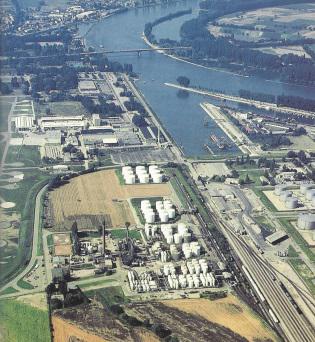
Production capacity and handling facilities in Speyer were expanded due to new emerging markets, such as Switzerland and France.
1965
Haltermann
Production facilities in Speyer were officially commissioned on 25 July; Modern technologies such as valve trays and air-cooled condensation were used as well as a biological treatment plant.
1964
Carless
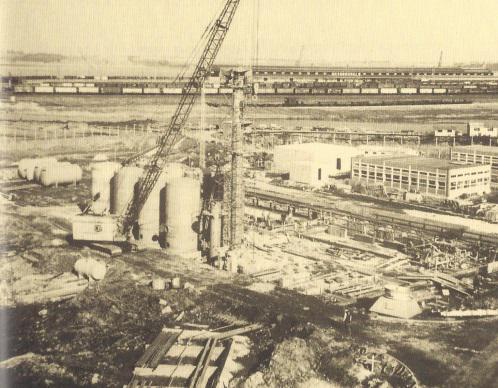
The refinery was completed and first batch produced hydrocarbon-based solvents were manufactured; The transfer of the entire production from Hackney Wick to Harwich was started, which would take 9 years to complete.
1963
Carless
The first distillation unit and a tank farm were constructed.
1962
Haltermann
A plant for crystallisation was constructed; Haltermann started the production of special solvents for printing inks, which were previously imported.
1961
Haltermann
A plant for the production of road gravel using tar based binders in Wilhelmsburg was constructed.
1960
Carless
The industry change from coal carbonisation to petroleum feedstock refining had the following consequences for Carless: by-products from the carbonisation of coal could no longer used as raw materials for further processing; Carless decided to build its own refinery, so that it was not dependent on deliveries of raw materials; Harwich was chosen as the new location as the premises at Hackney Wick were too small.
1959
Haltermann
Industrial growth in southern Germany required the construction of tank and drum stores along the Rhine.
1958
Haltermann
Environmental costs emerged as a cost for the first time in the company’s balance sheet; A mechanical / biological treatment plant in Wilhelmsburg was constructed.
1957
Haltermann
Production capacity was increased and production costs were reduced by a switch in production from special boiling points to continuous distillation; Aliphatic propellant gas was developed for foaming of plastics
1955
Haltermann
The tanker fleet was expanded as a result of rising exports of American petrochemical industry to Europe.
Carless
A stronger focus was given to the production of speciality chemicals, due to the decline in fuel sales of Shell-Mex and BP as well as the reduced production of aromatic hydrocarbons from coal tar.
1954
Haltermann
Distillation units for benzene and tar acids were expanded, Equipment for the continuous refining of petroleum distillates were constructed.
1953
Haltermann
Company management focused on expanding the special products because the fuel market was dominated by large multinational companies.
1952
Haltermann
Production of naphthalene resumed and there were investments in equipment for the extraction of phenol, cresol and xylenol from tar acids.
1945-1949
Haltermann
Under British occupation, the plants were gradually reconstructed and production resumed. Additionally, the plant was able to process tar residues from the carbonisation of coal to produce fuels, solvents or fuel oils.
1945
Carless
The world economy started to recover. Carless became a producer of xylene, required for the manufacture of synthetic alkyd resin for the paint industry. The focus shifted to the provision of products with specific requirements for density, boiling point, volatility etc.
1918
Haltermann
Haltermann plants survived the First World War unscathed, although output was reduced
1913
Haltermann
Hanseatischen Teerproduktenfabrik Haltermann & Co. GmbH and Rütgerswerke AG were founded.
1912
Haltermann
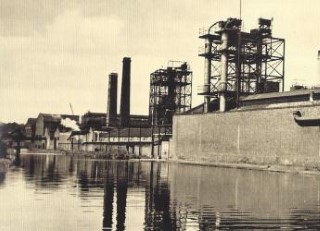
Distillation and refining plants were constructed for the production of technical benzenes from coal tar; The product range was expanded to gasoline and other petroleum products, such as Petroleum (oil lamp); The separation of toluene and xylene distillates were supplied into the paint, varnish and adhesive industries.
Carless
The company expanded through the acquisition of W.C. Barnes & Co., who specialised in the distillation coal tar products and petroleum ether, which had increased demand due to the outbreak of World War 1.
1899
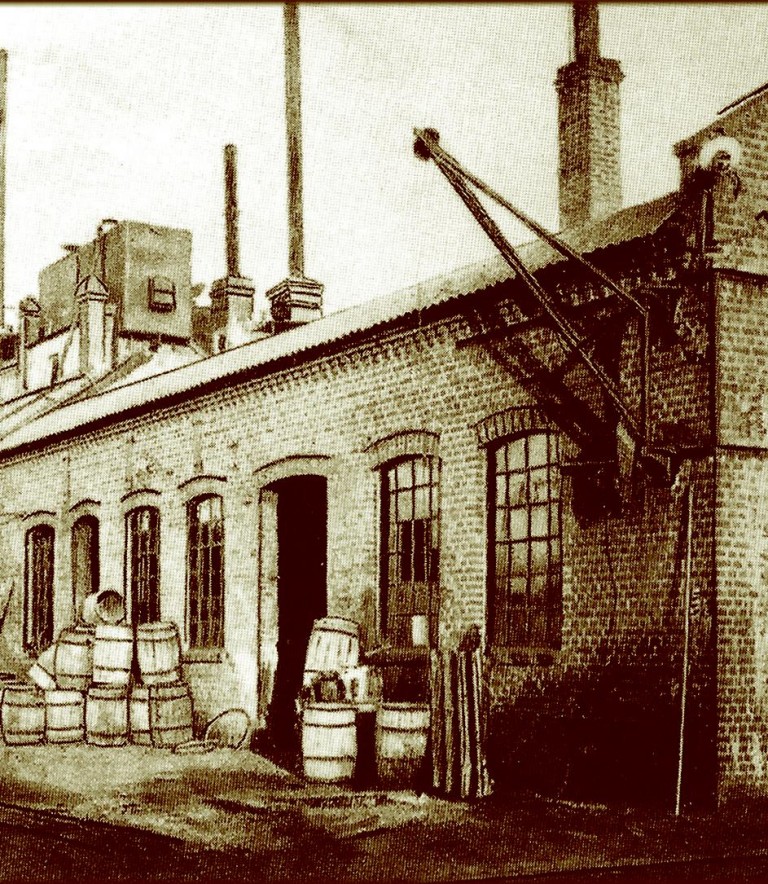
Carless
Carless was the only manufacturer of high-purity motor fuels in England.
1898
Haltermann
Johann Haltermann founded in Hamburg Wilhelmsburg a “Tar Distillery”, refining crude tar from the gas works in Hamburg.
1896
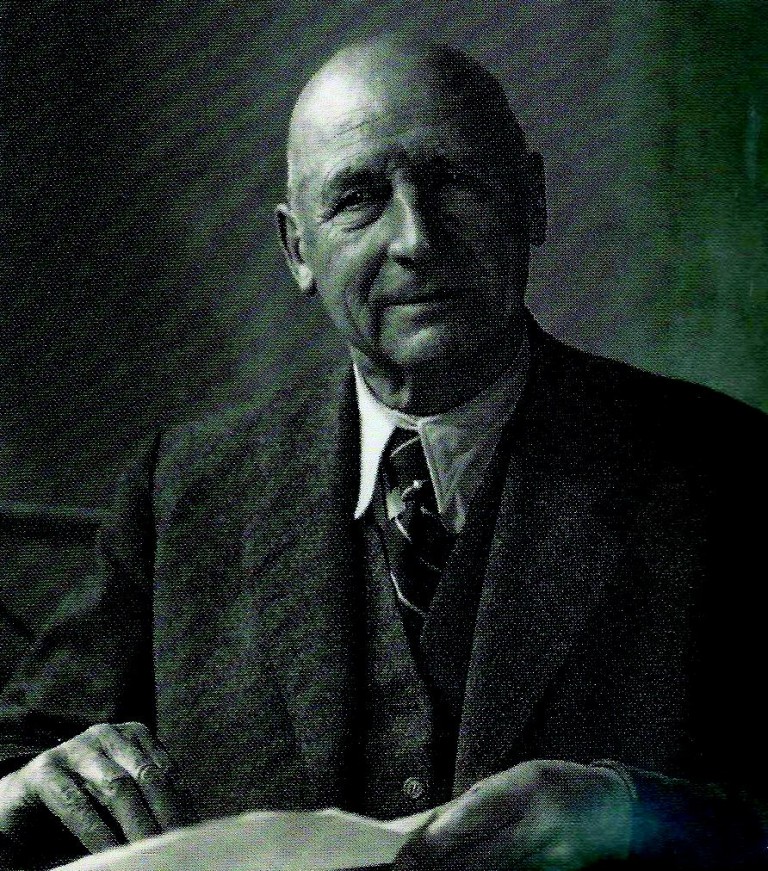
Carless
Product sales were increasingly tied to the automotive industry; A new fuel was delivered for the new motoring event “Emancipation Run” (emancipation of the car as a new means of transport).
1893
Carless
Diesel fuel for the launch of Daimler was called ‘Petrol’; The name ‘Petrol’ as a brand could not be protected.
1872
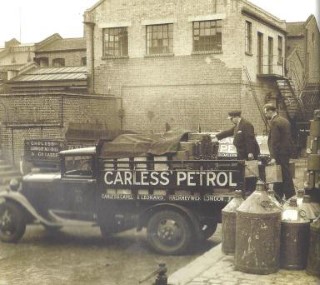
Carless
Carless, Capel and Leonard was established with a new business partner John Hare Leonard.
1870
Carless
The Blagdon partnership ended; George Bligh Capel became a new partner; Carless begun selling a highly flammable petroleum distillate, called ‘Petrol’; Carless became one of the first processors in England of the newly imported American crude oil; Progress was made in the refining of coal tar and shale material supplying the market with benzoline, paraffin oil, burning naphtha and Carburine (coal tar oil).
1860
Carless
William George Blagdon and Carless joined in partnership becoming Carless, Blagdon and Company.
1859
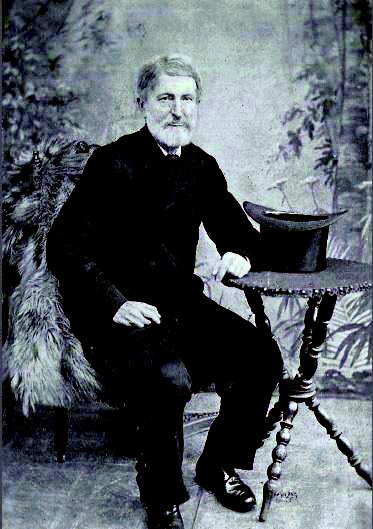
Carless
Eugene Carless based in Hackney Wick in East London established the company Carless and built the plant ‘Hope Chemical Works’.
Geschichte und Geschichten
Für unser 160-jähriges Jubiläum haben wir für Sie Informationen zu unserem Unternehmen aus mehreren Dekaden zusammengestellt. Erleben Sie die tradtionsreiche Haltermann Carless Unternehmenseschichte und erfahren Sie mehr über die Entstehung von unseren Produkten, historische Entwicklungen und die kreativen Köpfe hinter Haltermann Carless.
Klicken Sie auf das 160-Jahre Logo oder den Button "Mehr erfahren" und erleben Sie die Haltermann Carless Marke - von 1859 bis heute.